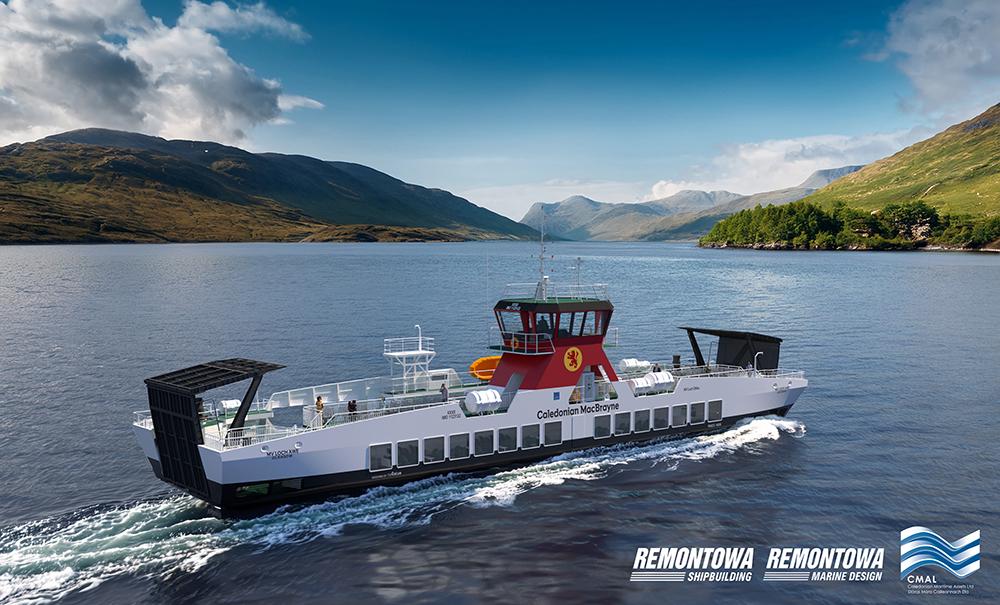
CMAL/Remontowa’s latest rendering of Loch Awe, first of the new class of Small Vessel Replacement Programme ferries being built in Poland
Inverness-based CRSC member Brian Boag takes a further look at the nomenclature of the Clyde and West Highland fleets, following the announcement of names for the new vessels being built in Poland for the CalMac fleet.
The announcement of seven new ‘Loch’ names for the Small Vessel Replacement Programme represents a further revival of the ‘Loch’ nomenclature, so familiar to Clyde and West Highland steamer history. It makes for an opportunity to reflect on the nomenclature precedents we see in today’s CalMac fleet. The Fleet Lists in Andrew Clark’s magisterial ‘Pleasures of the Firth’ (2012) and ‘The Making of MacBrayne’ (2022) – both available from CRSC Shop – provide comprehensive data for this activity.
The ‘Loch’ style has a long pedigree. The first to appear on the Clyde was the Loch Eck (1829). This name was one of 17 offered in the recent ballot, but was unsuccessful. Lochryan was next, in 1830, and Lochgoil was used twice, in 1835 and 1853. Lochlong was also used twice, in 1842 and 1859 — except that on the second occasion it was given as Loch Long. Over the years some of the ‘Loch’ names have appeared as a single word, others as two. Loch Lomond was a name used four times between 1834 and 1867, but it did not appear in the recent shortlist. Other names we might have expected to see shortlisted, but didn’t, include Loch Ness, Loch Carron, Loch Ard, and Loch Sunart, although this latter name was recently used on a former Western Ferries boat sold for dive training at Fort Willaim. The two other ‘Lochs’ that were used on the Clyde in the 19th Century were the curiously spelled Lochfine (1847), and Gareloch (1872).
The Hutcheson/MacBrayne fleet included a few ‘Lochs’ before the First World War, starting with Lochawe (1876) for service on the loch itself, and Lochiel (1877) for the Western Isles. This name was used again in 1908, and in 1919, just after the war. Lochness was used twice, in 1885 and 1912, and the other name used was the famous Lochinvar 1905, a name happily revived in 2013. Really this is a Sir Walter Scott-inspired name rather than a real loch, but it looks and sounds like one!
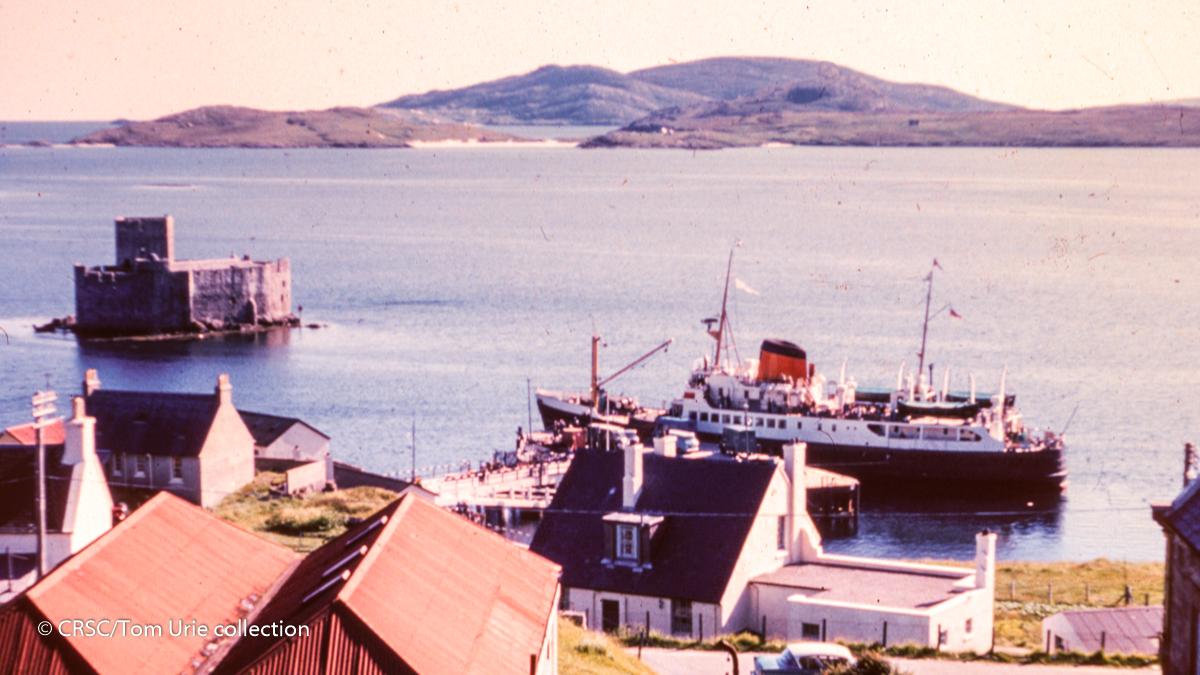
The 1955 Claymore at Castlebay, a ship that split the run of ‘Loch’ style names in the mid 1950s: her name had been used previously, and a new ship with the same name — the fourth use of it — was launched recently in Turkey
David MacBrayne (1928) Ltd made the ‘Loch’ style name their own, with extensive use of the nomenclature from 1929 to 1961. There were 25 ‘Lochs’ during this time. These included such venerable vessels as Lochness (1929), Lochmor (1930), Lochearn (1930), Lochfyne (1931), Lochnevis (1934), Lochiel (1939) and Loch Seaforth (1947). There were smaller vessels, such as Lochnell (1946) and Loch Eynort (1961), and there were cargo vessels like Lochshiel (1929), Loch Frisa (1949), Loch Ard (1955) and Loch Carron (1956).
Many of these were single-name cases, especially before the war. We had Lochfyne (1931) which compares with the current Loch Fyne (1991). The first two-name vessel came after the war with Loch Seaforth. The use of the traditional Claymore in 1955 interrupted the sequence, but it continued till Loch Eynort (1961), after which there was a gap until 1979.
By the 1970s there were very few left. Loch Arkaig (1959) was the only one in the later 1970s before being replaced by a new Lochmor in 1979. Again this was the only one until the ‘Loch’ nomenclature was revived with the four 1986 ferries. These gave their name to a whole class of vessel, the ‘Loch class’, comprising smaller, double-ended, slipway-using ferries. Between the Loch Striven (1986) and Loch Shira (2007), there were 12 vessels of this class. Strictly speaking Kyleakin (1970) and Lochalsh (1971) and Isle of Cumbrae (1977) were also of this class, which goes to show how hard it can be to achieve complete consistency with a nomenclature style. In recent years a growing number of larger vessels have also been given ‘Loch’ names, starting with Lochnevis (2003), then Loch Seaforth (2014), Loch Frisa (2021), and two of the vessels currently building in Turkey, Loch Indaal (2026) and Lochmor (2027). Two of the names on the new list have been used before: Lochawe, as noted above, and Lochshiel, which was used twice, in 1929 and again in 1953.
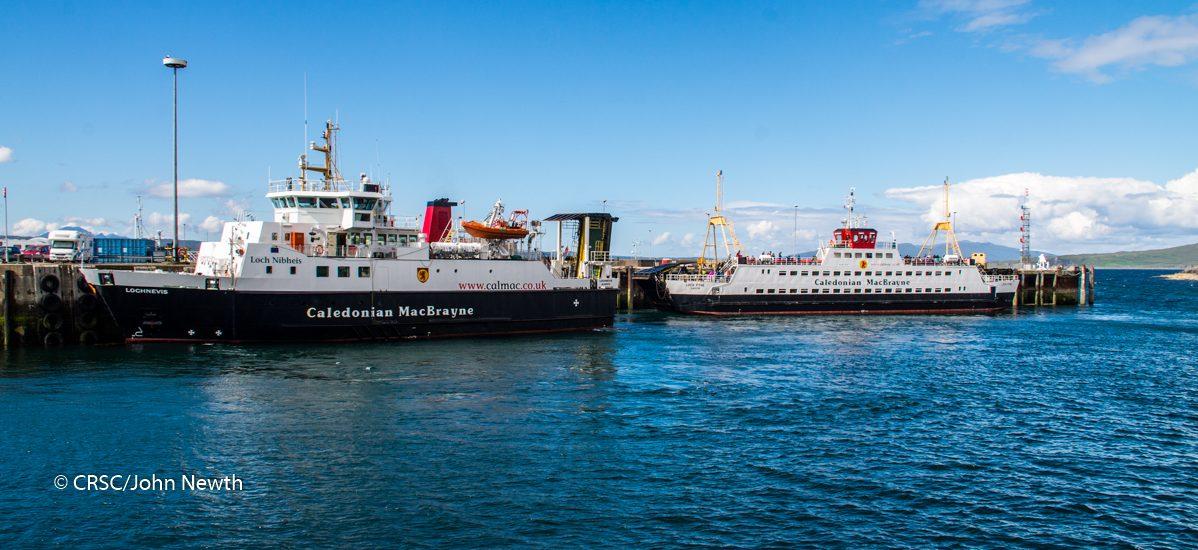
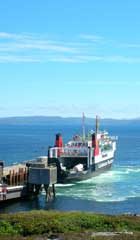
Two ‘Lochs’ at Mallaig, the single worded Small Isles ship Lochnevis and the two worded Loch Fyne, at the time employed as the Armadale ferry
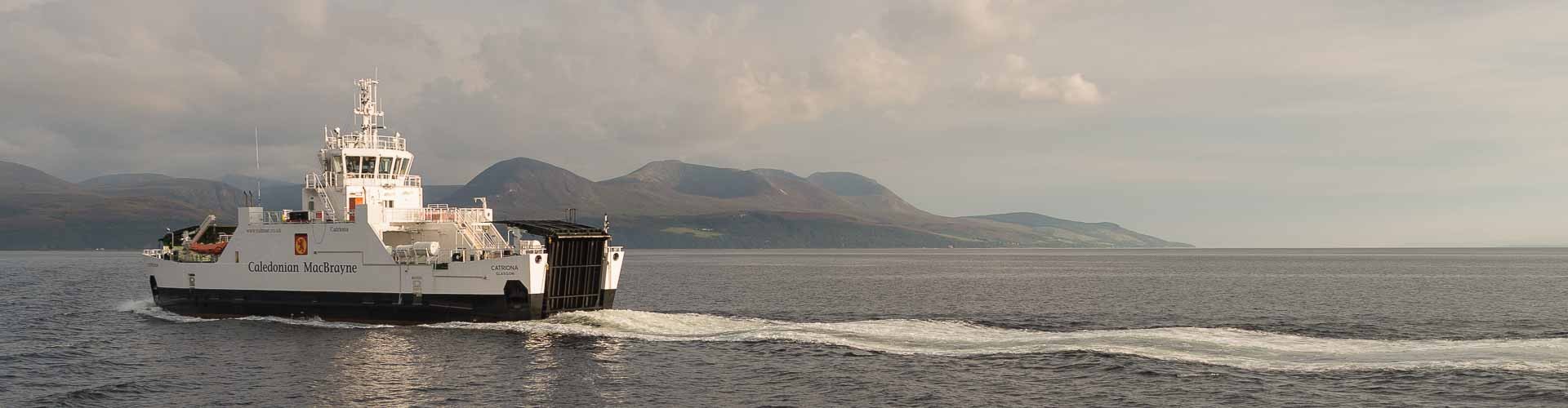
CMAL, as owners of the ferries, had decided to try something different with the appearance of the hybrid ferries of the early 2010s. The public was asked to vote, not only on vessel names, but on a whole class. The offer was ‘Glamaig’ (Corbett class), ‘Dun Caan’ (Scottish Fort class), ‘Hallaig’ (Scottish Literary class), ‘Fulmar’ (Scottish Seabird class), and ‘James Watt’ (Scottish Inventor class). The public chose ‘Hallaig’, a name highly appropriate for Raasay. The ‘Scottish Literary class’ produced only two more names, Catriona, and Lochinvar and so in a roundabout way, with the latter, the public voted for a ‘Loch’ name anyway! The ‘Scottish Literary class’ style of naming turned out to be short lived. The decision to adopt seven new ‘Loch’ names in December 2026 rather than to persevere with the ‘Scottish Literary class’ represents a triumphant return for the well-established and clearly popular MacBrayne nomenclature style.
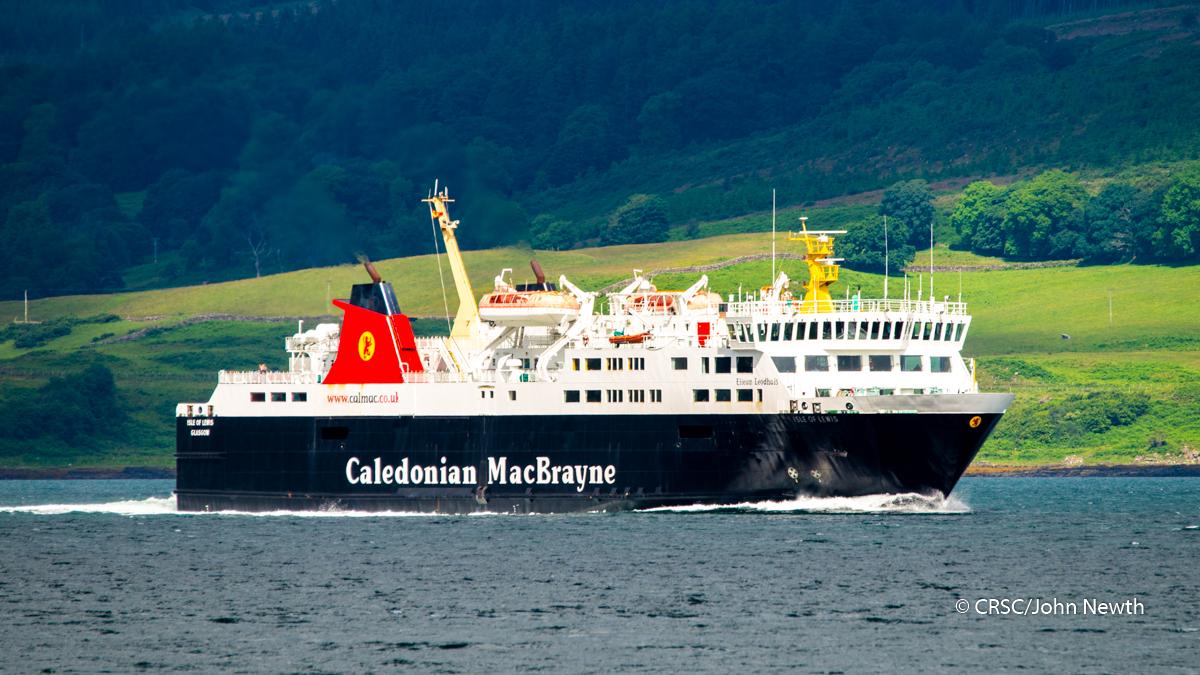
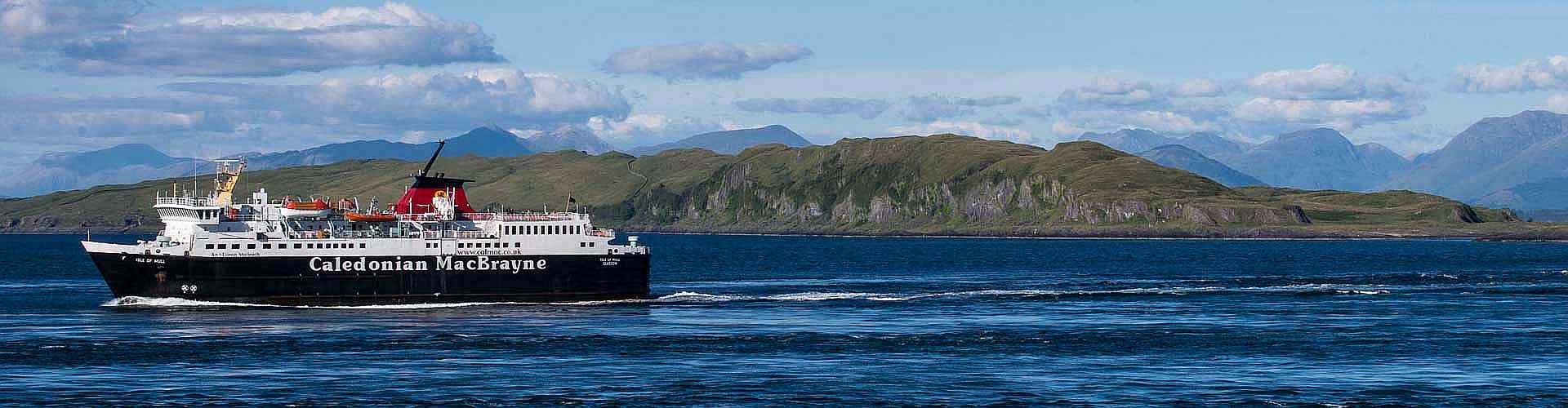
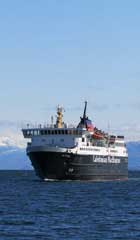
Isle of Lewis powering down the Sound of Mull
The present CalMac fleet, including the three ferries still building in Turkey, numbers 36, of which 18 are ‘Lochs’, if we include Lochinvar. The ‘Isle/Isles’ nomenclature, utilised in the 1980s by Colin Paterson, currently numbers seven, even though the oldest, the Isle of Cumbrae (1977), really fits into the ‘Loch’ class in all but name. Isle of Arran (1984), Isle of Mull (1988) and Isle of Lewis (1995) are likely to leave the fleet in the next couple of years, but Isle of Islay (2026) ensures the survival of this style of nomenclature.
This style also has a long pedigree. The Isle of Bute (1835) was the first, followed by Isle of Arran (1838). Captain Buchanan made this style his own with Isle of Arran (1892), a popular Glasgow steamer that sailed until 1933. He also had Isle of Bute (ex-Guy Mannering) which was sold to Morecambe in 1912, to be replaced by Isle of Skye (ex-Madge Wildfire), and Isle of Cumbrae (ex-Jeanie Deans).
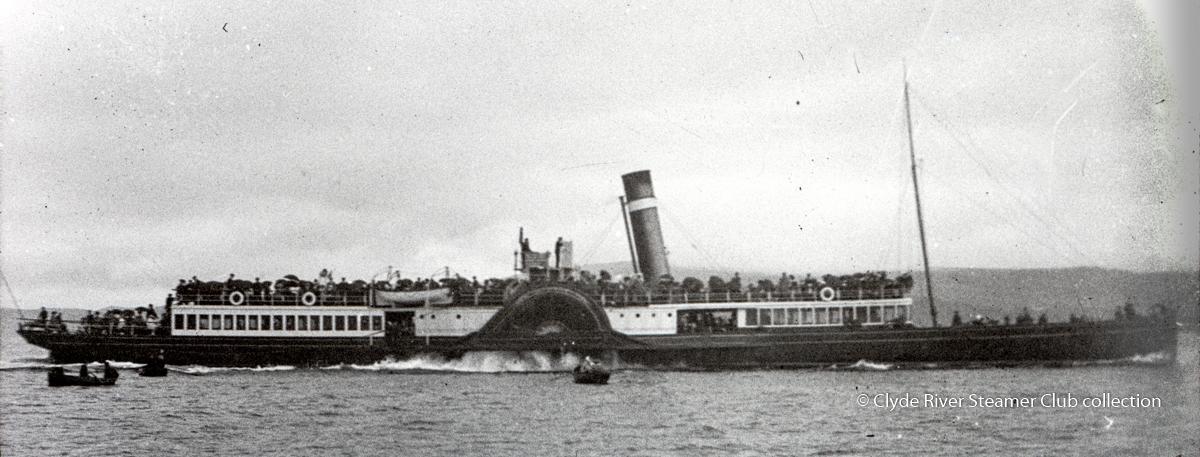
Captain Buchanan’s Isle of Bute off Dunoon in August 1909
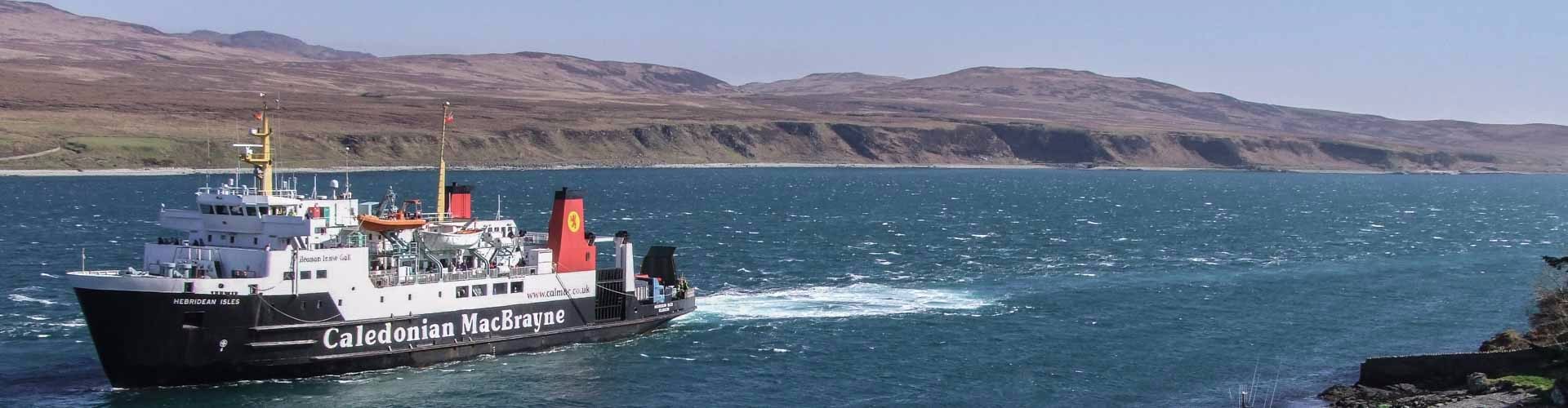
The ‘Isle of …’ style was amended to ‘… Isles’ with Hebridean Isles (1985), while Lord of the Isles (1989) revived a famous paddle steamer name that for decades must have seemed very unlikely to be used again. Caledonian Isles (1993) is an example of what happens when you force a nomenclature style somewhat unnaturally. It meant that the obvious alternative, Caledonia, has been absent from the scene for nearly 40 years after being a presence on the Clyde every year from 1889 to 1987 and having been used four times in the 19th century, in 1815, 1821, 1844 and 1856. Caledonian Isles is the nearest thing we have today to a traditional Caledonian Steam Packet Company name.
With Glen Sannox (2025) and Glen Rosa (2026) the geographical side of the Glasgow and South-Western Railway Company (GSW) nomenclature has been revived. GSW’s more prominent Roman deity/Greek mythology nomenclature is now missing from the Clyde after the departure of Jupiter, Juno (1974), and Saturn (1978). Glen Sannox was almost a permanent fixture on the Firth from 1892 to 1989 with paddle steamer, turbine steamer and motor vessel generations. It is good to see this name revived, as with Glen Rosa, not seen since 1939.
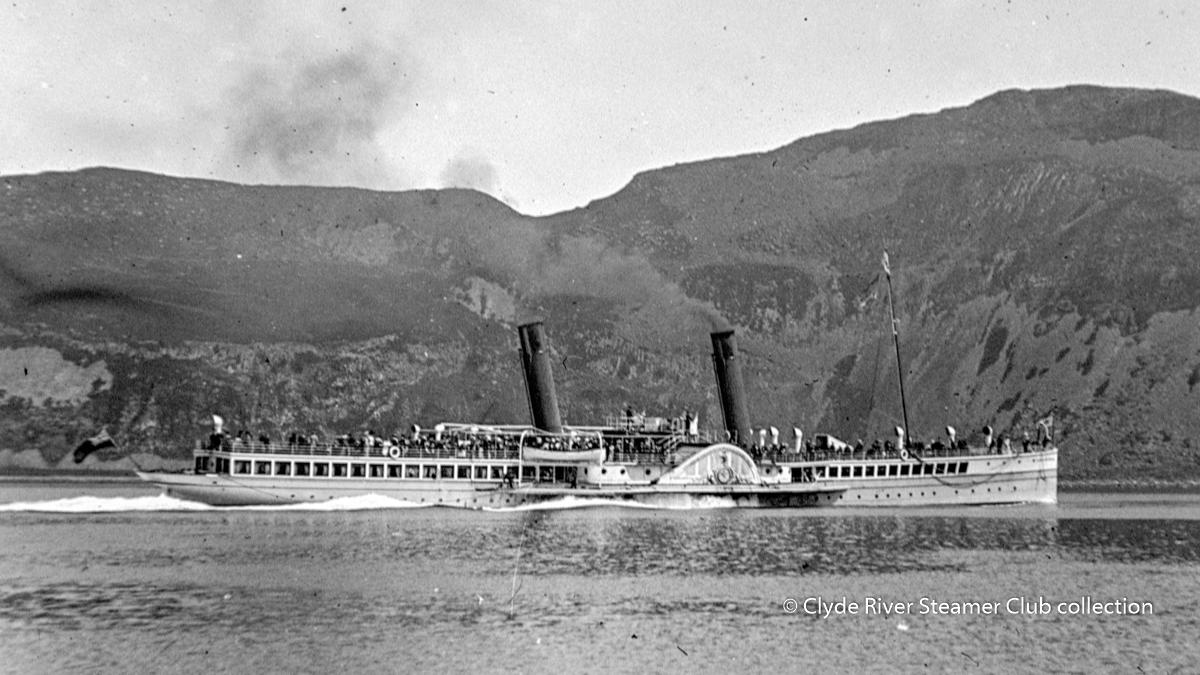
Glasgow & Sou’West magnificence: the first Glen Sannox in Lamlash Bay, one of two steamers in the fleet named after Arran glens
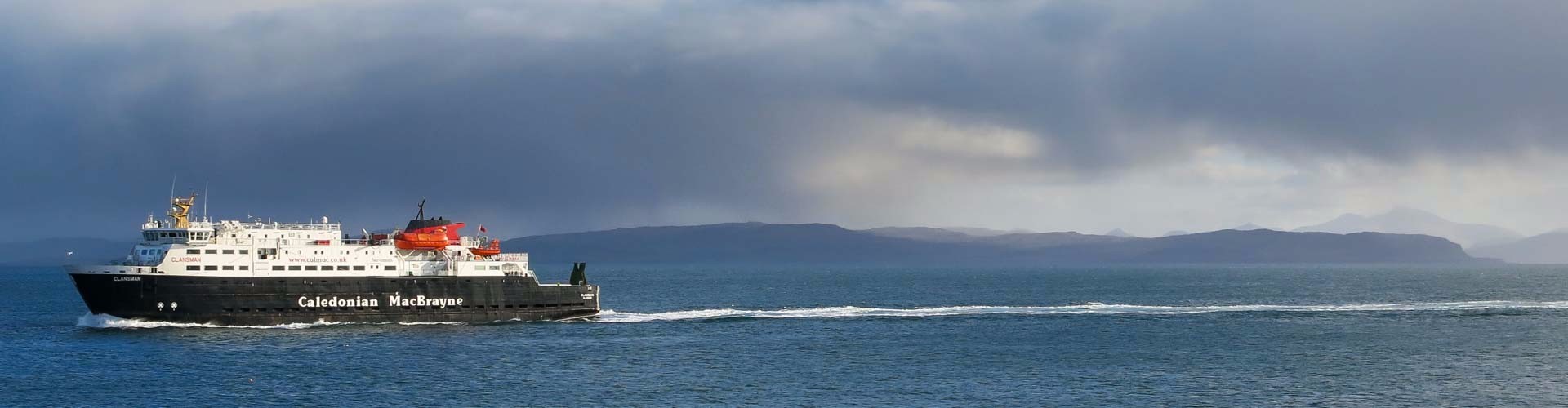
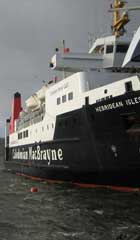
Robins and Meek in their extraordinary book, ‘The Kingdom of MacBrayne’ (2012) note that 19th century Highland romanticism was an influence in the naming of ships, starting with the renaming of Duke of Wellington (1815) as Highland Chieftain in 1820. This tradition continues to the present day with Chieftain, Clansman, Hebrides and Lord of the Isles in the current fleet, and Claymore soon to join.
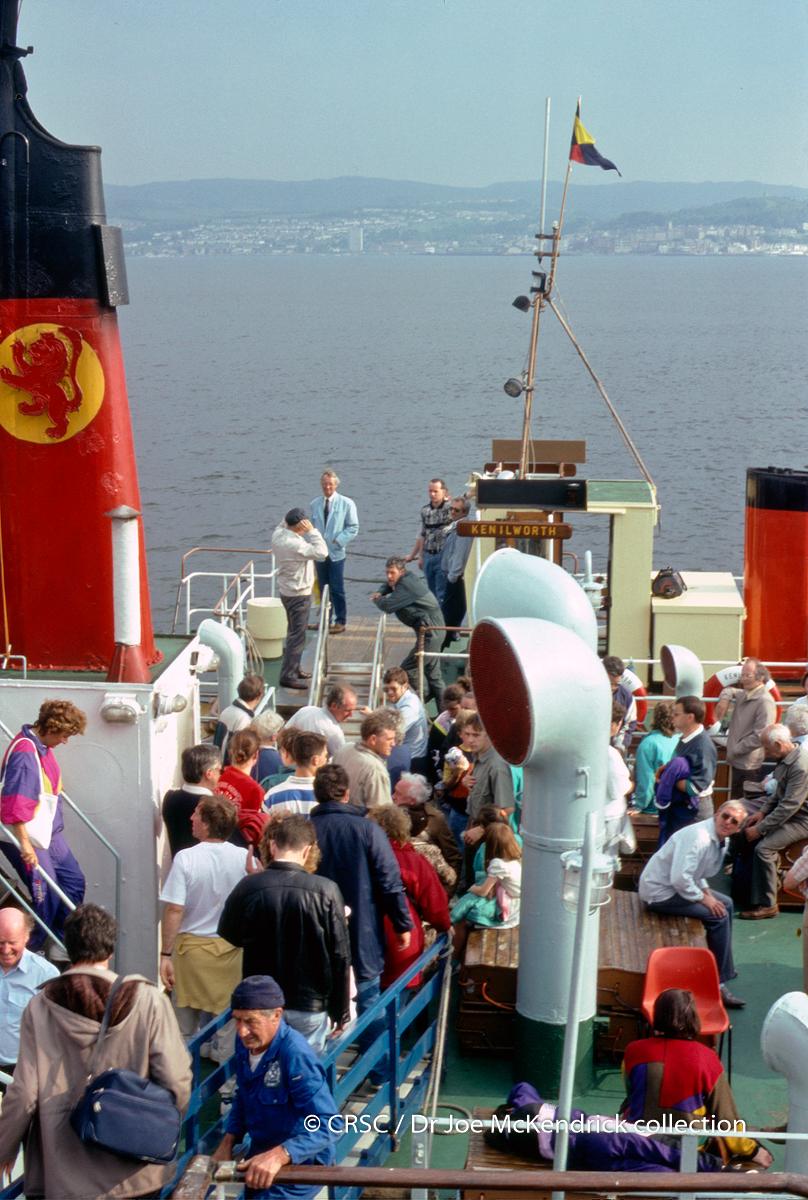
Tendering at Kilcreggan – Kenilworth and Keppel alongside Waverley, two of the names inspired by Sir Walter Scott’s writings
Place-names beyond ‘Lochs’ and ‘Isles’ have been a feature of Clyde and West Highland nomenclature since the early days of steamer history. A variety of geographical names featured in the 19th century. These took several forms with such as Clyde (1813), Argyle (1815, 1838, 1866), Kyles (1865), Bute (1865), Breadalbane (1847), Culloden (1845), Kintyre (1868), Davaar (1885), Iona (1864) etc, and in the 20th century we saw names like Dalriada (1926), and Suilven (1974), an inspired choice.
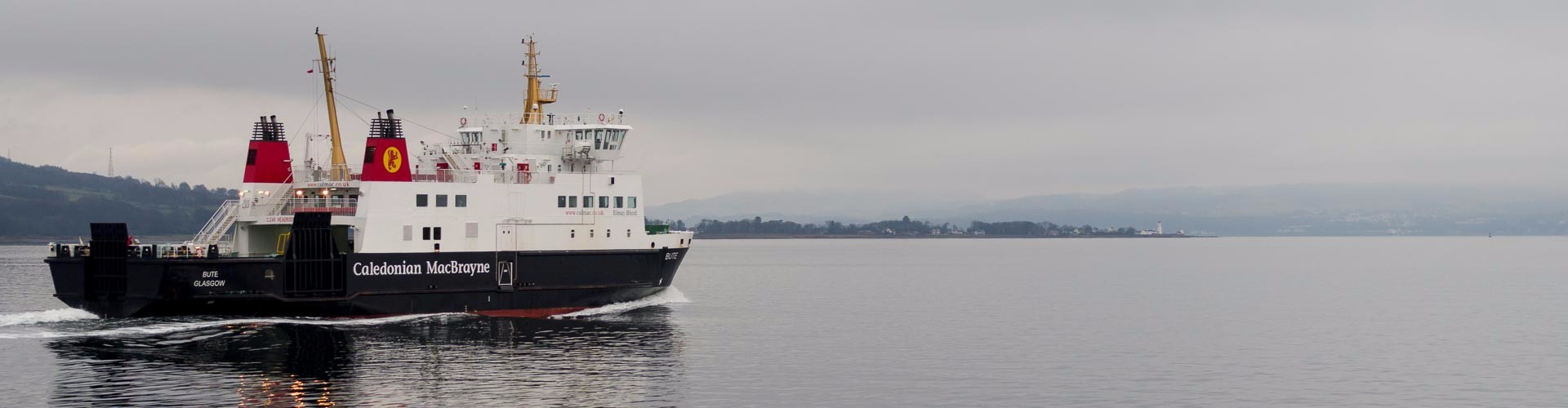
Such names also feature quite strongly in the present CalMac fleet, with Coruisk (2003), Bute (2005), Argyle (2007), Finlaggan (2010), and Carvoria (2017). The latter is in keeping with the Norse style of the Northern Isles Hamnavoe (2002). Although some names are themselves new, the style is a long-standing one.
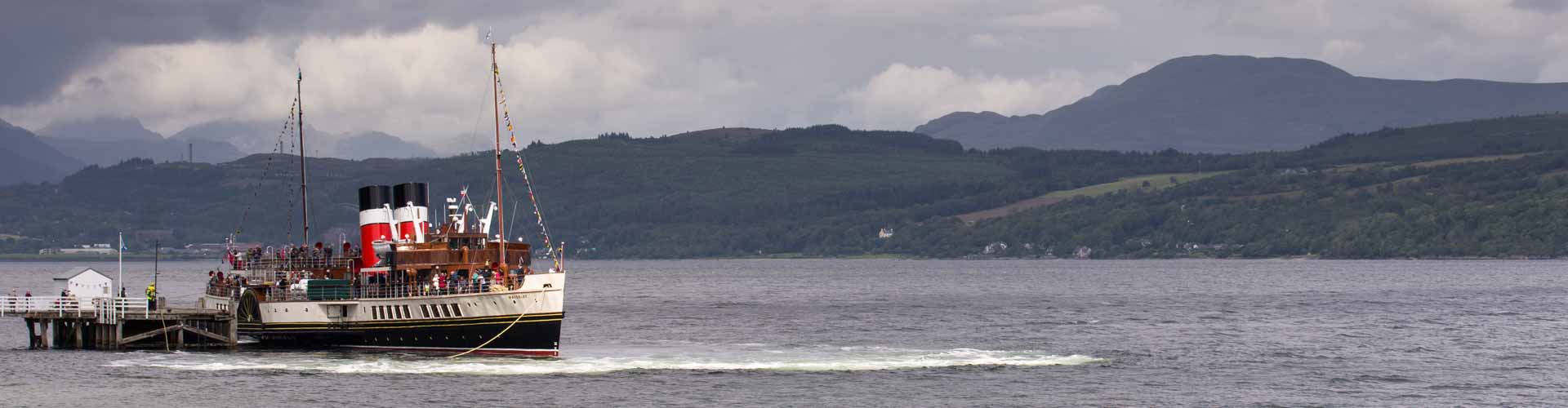
The use of names inspired by the novels and characters of Sir Walter Scott were once widespread on the Clyde. They survive today of course with Waverley (1947) and also Lochinvar (2013). Kenilworth (1978) (ex-Hotspur) is a name that reappeared on the Gourock-Kilcreggan service in 1978 until 2007.
Some distinctly odd names were used in the past. Think of Fairy Queen (1831), Water Witch (1843), Reindeer (1852), Flamingo (1853), and sister ships Spunkie and Kelpie (1857). The present CalMac fleet is not without odd names, Ali Cat and Argyll Flyer spring to mind. The former is an example of a rare second-hand purchase where the name was retained, and the latter represents an attempt to be modern if not literal. Thankfully it remains an outlier name in the fleet.
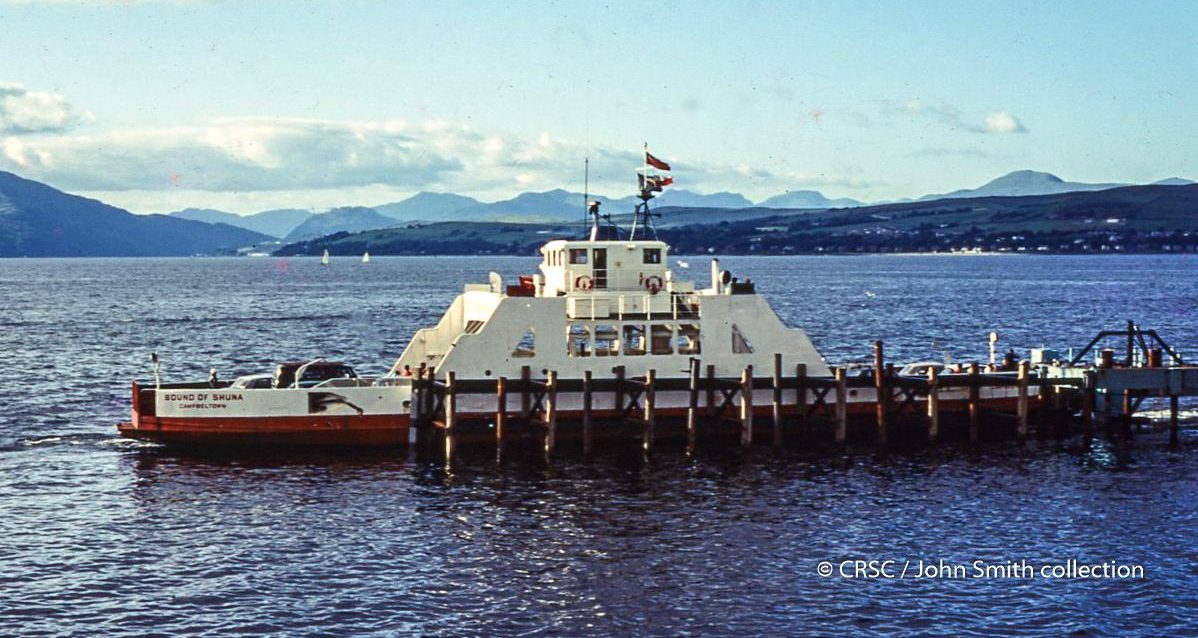
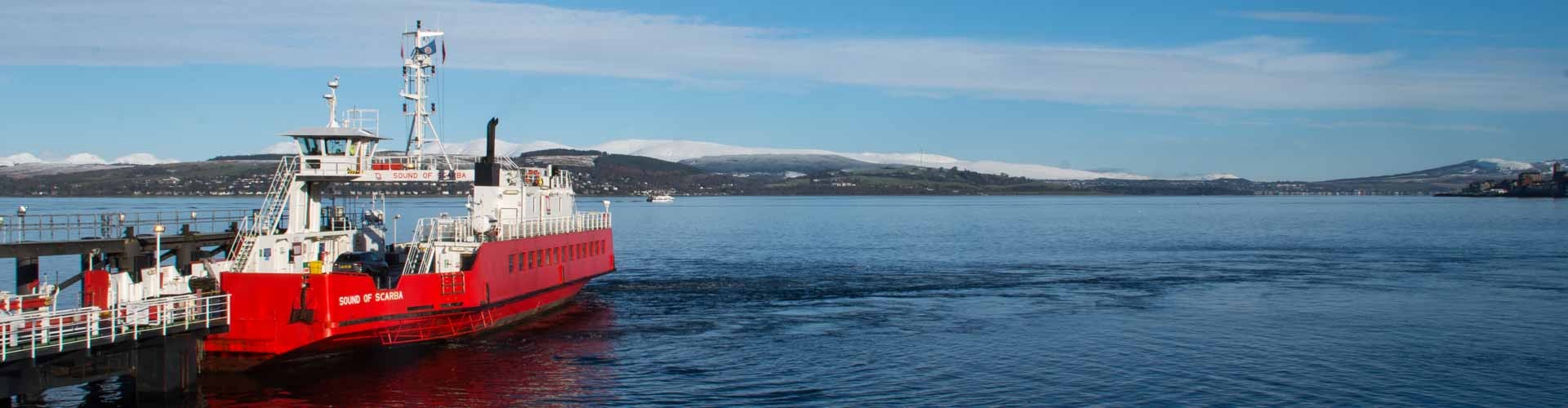
The first of Western Ferries’ Clyde fleet, Sound of Shuna brought a new style of names to the river in 1973 that still prevails
Moving over to Western Ferries we find a style of nomenclature for which there are no precedents in the fleet lists going back to 1812. There were no ‘Sound of …’ examples. With Sound of Islay in the 1960s, Western Ferries introduced a new nomenclature as well as a new livery. Sound of Gigha and Sound of Jura confirmed the approach, and the Sound of Shuna (1973) set the pattern for a succession of ‘Sound of S…’ names on the Clyde that have achieved a consistency of nomenclature that earlier attempts did not, even though some might see it as a ‘straightjacket’!
Many other forms of nomenclature have been used on the Western Seaboard since 1812 but with no modern successors: maybe that is something for another article!
Although living in Inverness, Brian has been a member of CRSC for many years. Have you joined this friendly association of ship enthusiasts? Click here for your £15 introductory membership and you’ll get all the benefits, including CRSC’s highly prized colour magazine, an annual Review of west coast shipping and exclusive access to photo-rich ‘members only’ posts on this website.
Published on 17 June 2026